




2016 has kicked off and I figured it was time for another blog post.
I’ve been thinking about what to write this time, and I’ve come to the conclusion that we should take a look at the trends I believe will have a massive impact in 2016.
First of all — if you haven’t started working with content marketing yet, I strongly recommend that you do. In my opinion, companies that don’t work with content will suffer a slow death within the coming years.
You might ask why?
Let me explain.
As the online industry has exploded over the past 5–6 years, the entire marketing landscape has shifted. When there are few players in a market, there’s room for everyone when it comes to advertising. That’s no longer the case in a competitive market — especially not in major industries like fashion, electronics and similar.
That’s why online marketing today requires something different.
Content marketing is slowly killing the internet
You see 10 websites about weight loss — who’s right? The problem with content marketing is that it doesn’t necessarily need a sender. More and more major sites outsource and accept guest posts just to fill up their pages.
With no quality control or personality.
And these are the very sites we see ranking high on Google. So it’s not just a problem for users — it’s a problem for Google as well.
Google released new guidelines at the end of 2015.
This is just the beginning of integrating user opinions. We’ll increasingly see Google and Facebook using the data they have about us and our relationships to create credibility and user involvement in search results — how else should they distinguish between content?
[easy-tweet tweet=”You trust credible sources, your friends — not algorithms.” via=”no” hashtags=”#contentmarketing”]
Even Amazon has started hiring experts to write about their products, to give the site more substance and add a new dimension to the business.
Forget Google Adwords, focus on experience
More and more businesses live or die by their ad budgets — which is not only expensive, but also dangerous.
Yeah yeah, you always say that. But why?
Let’s first look at the number of companies using Adwords.
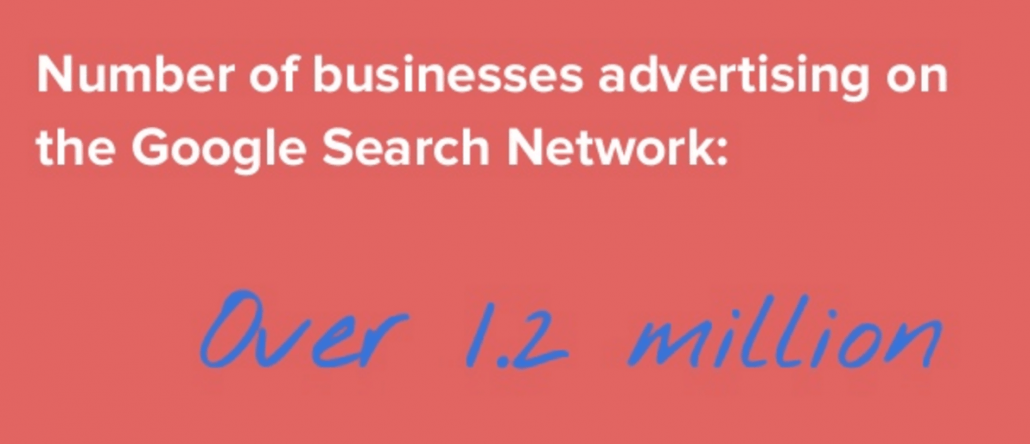
And how big is your budget as a new webshop? Relatively small — let’s agree on that. Maybe you can compete in some niche categories, but what happens when a bigger competitor shows up? I’ve seen it time and time again.
Your ad spend skyrockets, your margin drops, and you’re forced to shut down Adwords — and poof, the customers are gone.
The budget isn’t the only threat.
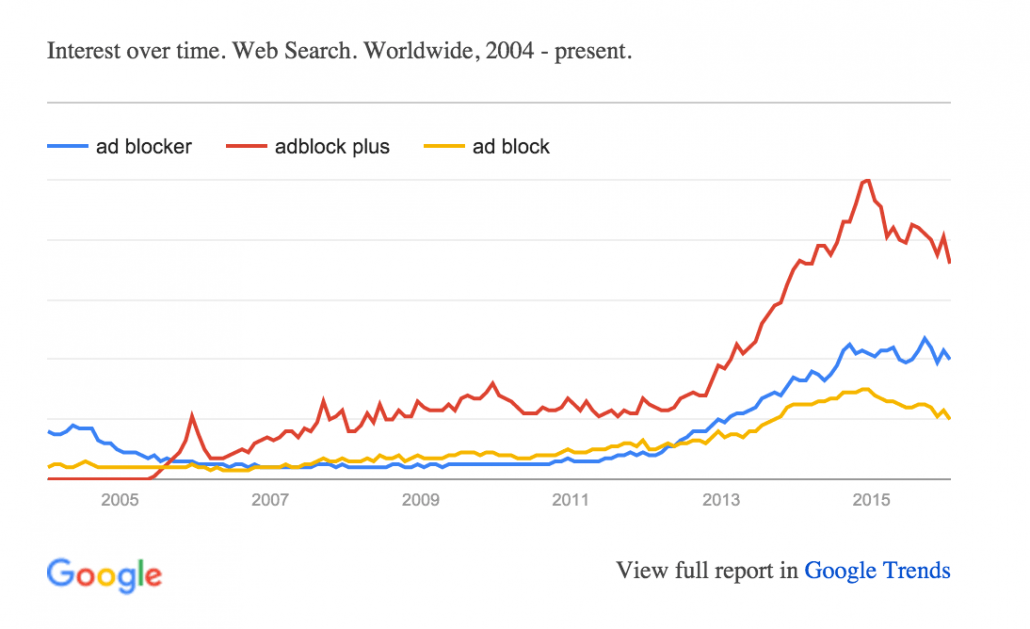
Ad blocking is skyrocketing right now!
In other words, people are fed up with ads.
So what do people want instead?
The same things they’ve always wanted — entertainment, help, solutions, and a sense of well-being.
Online marketing has reached the same point as TV advertising — we throw out a bunch of ads and hope they convert into sales without knowing what our users actually need.
There are so many possibilities out there! But do you know why most companies never try the creative options?
Because they can’t be tracked day-to-day, because it’s a “risk,” because it requires creativity — because branding has been lost in most Danish online businesses, with only a few exceptions.
In the next sections, I’ll walk through a few elements you should consider.
Video marketing will gain even more momentum
What’s more credible than video?
Video is exploding right now — both on YouTube and Facebook. There’s no doubt it’s here to stay. In fact, Facebook recently announced they’re changing their feed to give video even higher priority.
But here’s a challenge — just get started!
You don’t have to reinvent the wheel. Let’s brainstorm some ideas together:
- We sell baby gear & toys! Let’s make a YouTube channel about everything kids. How to put on a diaper (great viral potential), how to hold a baby properly, how to secure them in the car. Remember, you don’t need to sell in every video. Make tons of videos where you don’t mention sales at all — then make 5–6 videos with an offer or discount code.
- We sell webshop solutions! Great — that’s easy! Create a YouTube channel and solve the most basic problems for people running webshops. How to start a webshop. How to set up shipping plugins, handle VAT, manage customer service. As we demonstrate our expertise, we’ll naturally attract clients.
- We sell gardening tools! Awesome! Let’s create a channel about taking care of your garden. Everything from mowing the lawn to cleaning the grill and gutters — only our expertise limits us. We can even include our own products in the videos.
Easy, right? Now you just need to start filming!
You don’t even have to go as far as launching a YouTube channel — make product videos with a funny twist. Show what else your product can be used for beyond the main function — maybe it taps into a hidden consumer need?
Real-time marketing will catch up with us
Users are more active than ever. Not necessarily in terms of hours, but when we are online — it’s instant. We send Snapchats, we watch each other live on Periscope, we want to follow live events on Facebook.
In other words, we want to be entertained in real time and hit with campaigns that match the moment.
Remember how Black Friday has become a fixed phenomenon over the past 5 years? People expect something to happen that day — and if it doesn’t, they’re disappointed.
You can use that to your advantage.
The best example of this is Red Bull’s live stream of Felix Baumgartner’s space jump — thankfully, nothing went wrong, and it’s considered one of the most valuable marketing stunts in history.
What you do need are two things: knowledge about your customers and the ability to execute.
Let’s make some examples again:
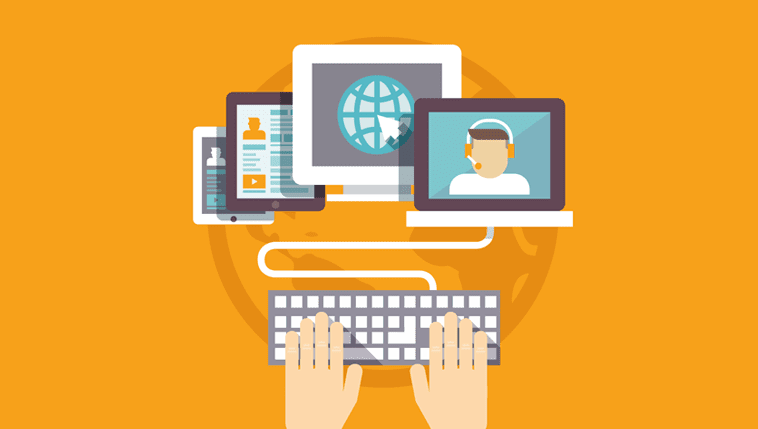
- E-commerce businesses: Use live customer support — so when people call or chat with you, they can see you live. It builds trust and almost certainly reduces dissatisfaction.
- Consultants: Allow clients to speak live with a consultant. For example, with insurance it’s all about trust. If you send a PDF report, offer to do a live follow-up where you guide the person via Skype or FaceTime — or show your screen in real time to walk them through it. Scale your time by recording the videos and using them in future cases.
- Content-focused: Do fun real-time content like Red Bull! Remember those guys who dropped Mentos into a Coca-Cola and it exploded? Do the same! Make fun real-time office videos using your products. Who’s fastest on a segboard? Who can eat 10 cream puffs the fastest? Give a 20% discount to those who guess right.
Again, there are endless ideas for using real-time marketing.
Of course, it must align with your company’s strategy — and it might be hard to implement in boring corporate businesses (who rarely succeed with content because it has to go through 20 middle managers).
Personalized advertising
Shouldn’t I mention advertising?
Yes — in principle. But there’s one thing I believe will gain more ground. Maybe not in 2016, but it’s something we should keep an eye on.
Recognize this sign?
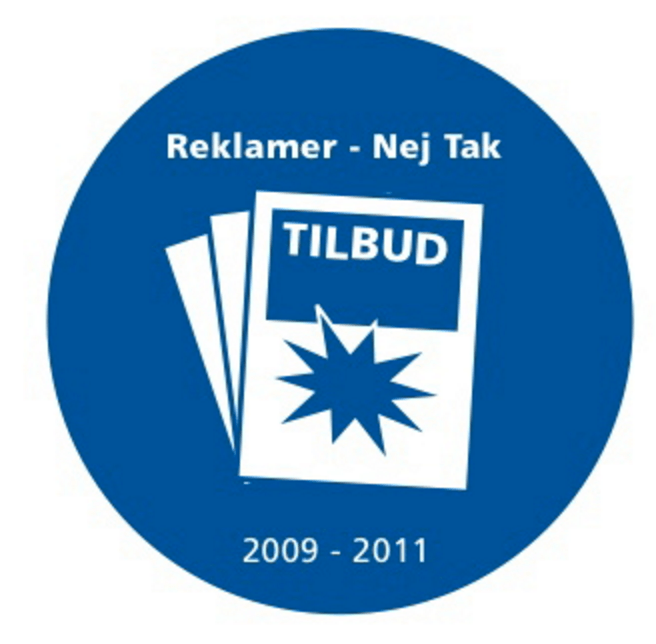
Why did most of us put “No ads please” on our mailboxes over the past decade? Because we were tired of 200 flyers with 99% irrelevant offers.
The same thing is happening online today. We’re bombarded with the same ads over and over, as if we’re a single user — yes, re-marketing is a start, but it’s still not intelligent enough.
That’s where the internet has a huge advantage: data. Every online business now has so much data on us, it becomes easier to create more specific content.
If Google can implement what they know about our search habits, buying behavior, social activity, and offline interests — they could build a personal search engine instead. Just for us.
THE SOCIAL SEARCH ENGINE
And no — this isn’t a doomsday prophecy for Google. With over $200 billion in revenue, it’ll be a while before they disappear.
Still, I believe the world of search is facing its biggest challenge yet. When something keeps growing, it often reaches a tipping point — and Google hasn’t changed much except tweaking its algorithm. They’re also being challenged by the insane amount of content produced daily.
So how can you use that?
Think the same way! Maybe you run a webshop — or want to start one. Think about the information you have on every user who logs in and shops with you.
- What products does the customer buy?
- How often does the customer order?
- Do they order more when there’s free shipping?
- Are they ordering for their family?
In the future, I believe we’ll see a specific interface when we log into large webshops — Tripadvisor, Zalando, and Amazon are already doing it.
Zalando tries to show news from my favorite brands.
At the same time, they ask me to confirm more brands I like.
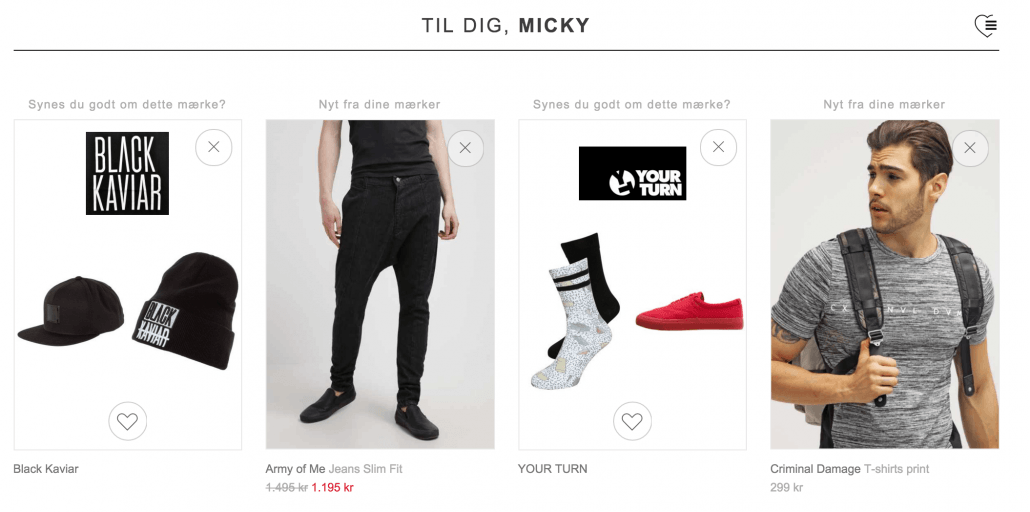
Zalando does this particularly well — they even use this content in their personalized newsletters. That means I get emails based on how I’ve interacted with their website.
Quality will kill quantity, in collaboration with Google
I’m honestly tired of low-quality, automated content. I’m sure Google is working on an algorithm to end clickbait that offers no value to users.
Some of the tools Google uses are bounce rate, time on site, and how trustworthy your source is.
In my view, all content is about quality. It’s about the message and the red thread. Buzzfeed may be making money now, but it’s not a sustainable strategy for the next decade. Google and Facebook will put an end to it.
You’ve definitely seen these headlines on Facebook.
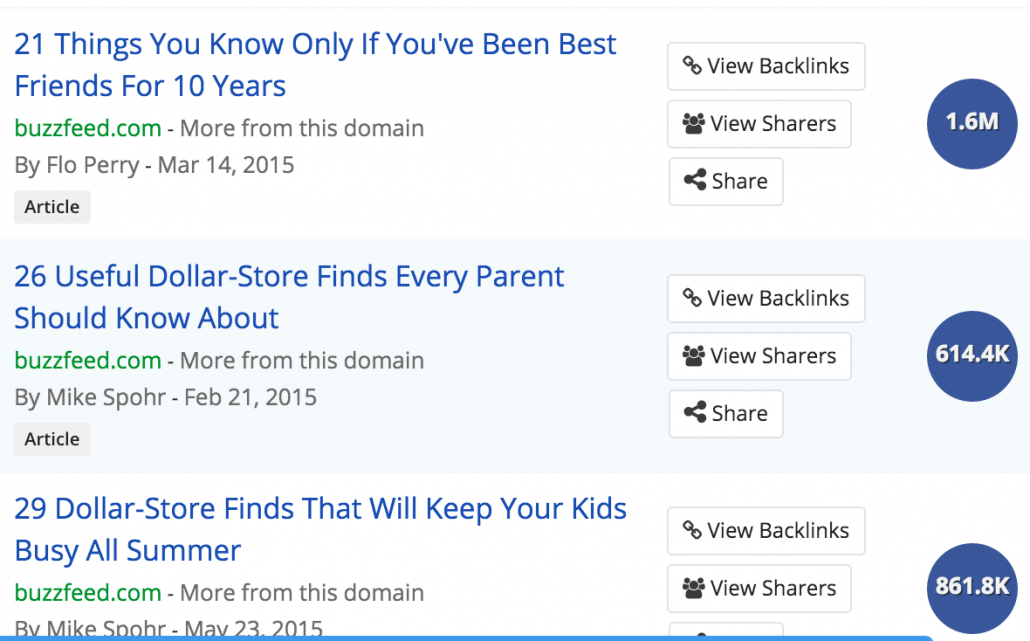
There are tons of examples of clickbait sites — and more and more celebrities are getting into it.
Examples:
- http://www.mayweatherofficial.com/ (owned by Floyd Mayweather)
- http://aplus.com/ (owned by Ashton Kutcher)
The benefit for these celebrities is that they have a massive following on social media, so they can push their posts to generate huge traffic. Plus, they get tons of media coverage that strengthens their link profiles (links to their sites), improving their Google rankings.
Conclusion
I could be completely wrong — after all, I’m not a machine that can predict the future of online marketing. What I do know is that the internet is accelerating faster than ever, with more players entering the space.
More than 100,000 of us working in online marketing have tried to predict what’s coming — who knows who’s right?
What do you think will happen? And what will you focus on in 2016?



Comments