




Something I’ve always wanted to work with is celebrities!
Whether it’s a racecar driver, football player, or pop star – it would be amazing to see how far you could push their brand.
Are you starstruck? Quite the opposite! …
Unfortunately, I often feel that too many of the people managing media for celebrities are missing a lot of opportunities.
It often seems like it’s just some friends who happened to have time, or a department in a record label with no real clue what they’re doing.
In this guide, I’ll walk you through how I would build a celebrity’s presence on social media.
You’ll also get some interesting case studies to back it all up.
Let’s get started!
Building social media presence
Many major international celebrities already have large followings – but there’s often much more to gain by setting up some very simple campaigns that could massively grow your number of Facebook likes.
Facebook and Instagram ads for gaining followers
I’ve previously advocated heavily for advertising on Facebook and, more recently, also on Instagram.
I believe that through solid audience differentiation, you can go far with your likes – but do you actually need to go broad?
Read more: Guide to Facebook ads
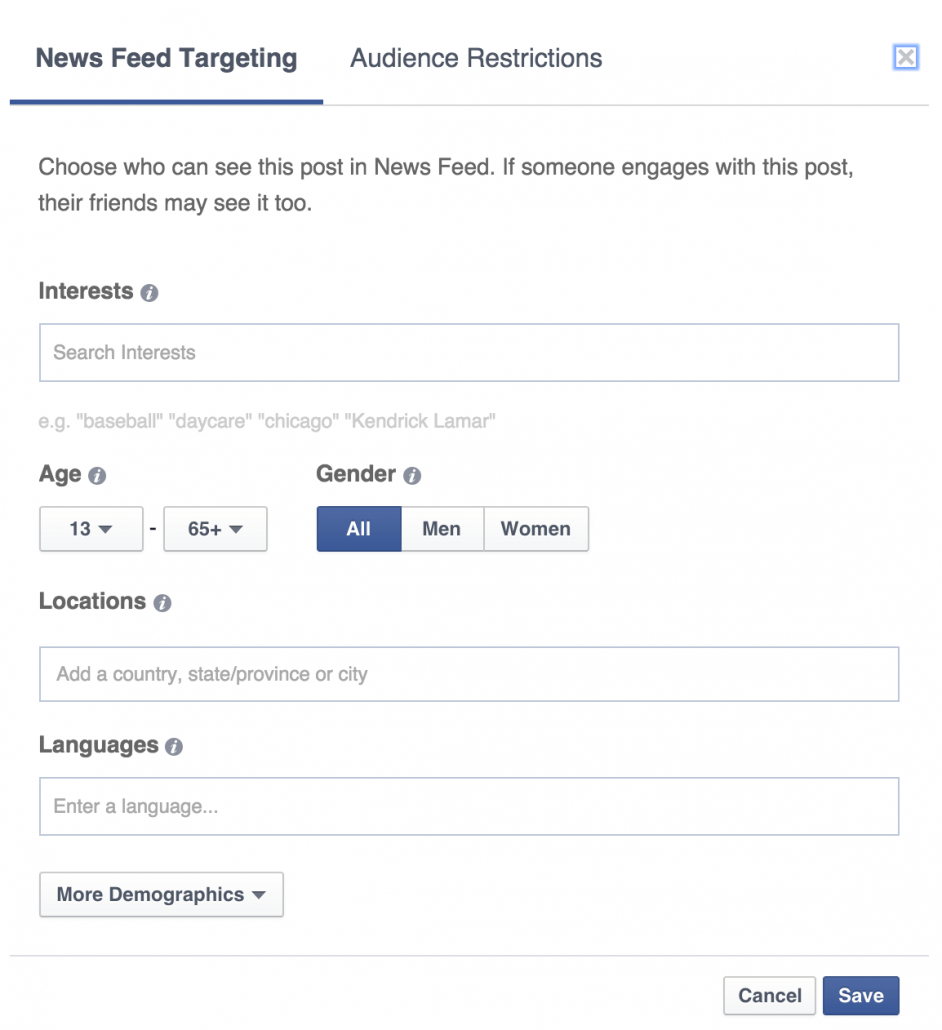
No – you really need to know your audience. Let’s say I were the manager for Christopher – I could use his Facebook and Instagram to find out where in the world his fans are located. I could also pinpoint their exact demographics – everything from age, gender, even when they are online.
All of this insight can be used to segment effectively on social media.
Once my segmentation is in place, I would test different types of ads. I would definitely test video ads – cool concert clips, personal greetings.
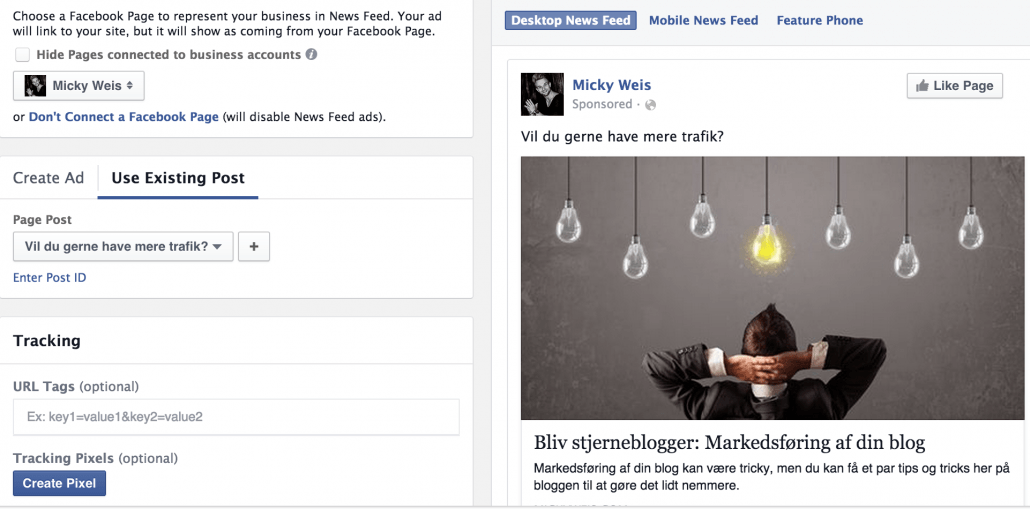
Since many high-end celebrities have large budgets for everything else, I wouldn’t hesitate to spend 10,000 DKK a month on it.
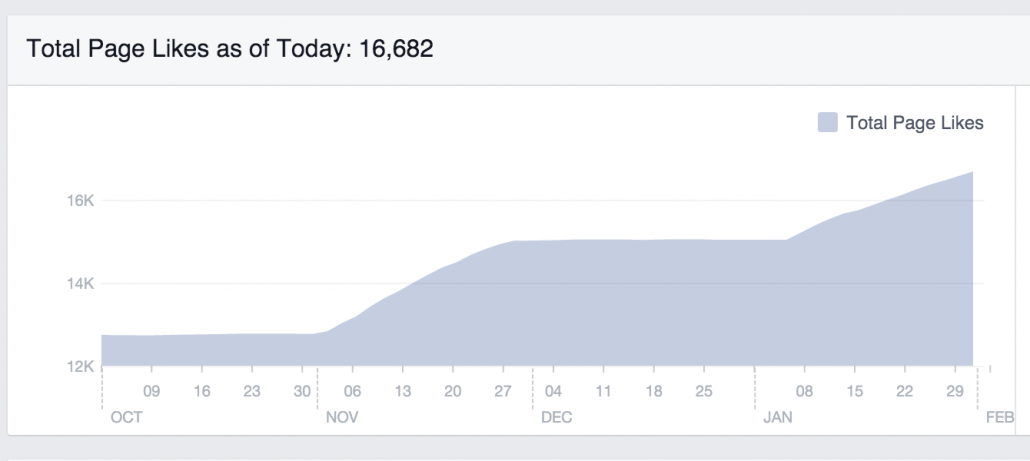
At the moment, we’re spending 1,000 DKK per month on Peter Bendtsen’s Facebook page, and it gives him around 1,500–2,000 new fans each month.
Here’s how Peter’s likes curve looks when we launch campaigns:
Facebook marketing
Use your data!
The data we gathered from the previous ad section – all of that can also be used to decide what kind of content to create.
Maybe you should consider making a video specifically for your Mexican fans to give them unique content?
When you have a Facebook page, you can segment your posts.
That way, someone like Justin Bieber could make a post aimed at a local audience in his most popular cities and send a personal message – similar to when Mark Zuckerberg spoke Chinese.
Instagram marketing
Instagram is the perfect medium for most celebrities.
Besides being one of the fastest-growing platforms in Denmark and internationally, it’s also a medium not heavily affected by clickbait (poor news articles designed only to drive traffic).
It’s about being present and meeting people at eye level.
Dwayne The Rock Johnson is possibly the best example of how to act on social media.
Instead of bragging, he speaks on a human level – he motivates people.

And he hasn’t gotten too famous to feature fans who show tattoos of him or tag him in videos they’ve made.
Snapchat marketing
Snapchat is evolving rapidly – in fact, Snapchat recently surpassed Instagram as the second-largest platform in Denmark.
That evolution is spreading to businesses too – so how can you stay relevant on Snapchat as a brand or celebrity?
A few examples
- DJ Khaled. One of the world’s most famous DJs / rap stars has truly cracked the code. His Snapchat strategy has been mentioned countless times. He primarily shares visuals from his life – which often seem insane – along with funny short stories and more, making him hugely relatable. He reportedly gets up to 3 million views per video.
- Give fans behind-the-scenes experiences. Bigger brands can also benefit from co-labs here. If Medina, for instance, took over a company’s Snapchat for just one week, that company could gain thousands of new followers.
- Once you’ve built a decent following, you can run competitions – answer fan questions. Imagine how many would tune in if Megan Fox answered fan questions live via Snapchat. It would go viral.
Youtube marketing
Most major celebrities have now started their own YouTube channels because it makes sense to host their own content.
Ellen DeGeneres is a perfect example – she just passed 14 million subscribers on YouTube.
The same goes for Jamie Oliver – who really understands social media. Whether it’s Instagram, Facebook, or YouTube.
He’s even created multiple YouTube channels depending on the message he wants to deliver.
Here’s a screenshot from his Foodtube channel with 2.1 million subscribers.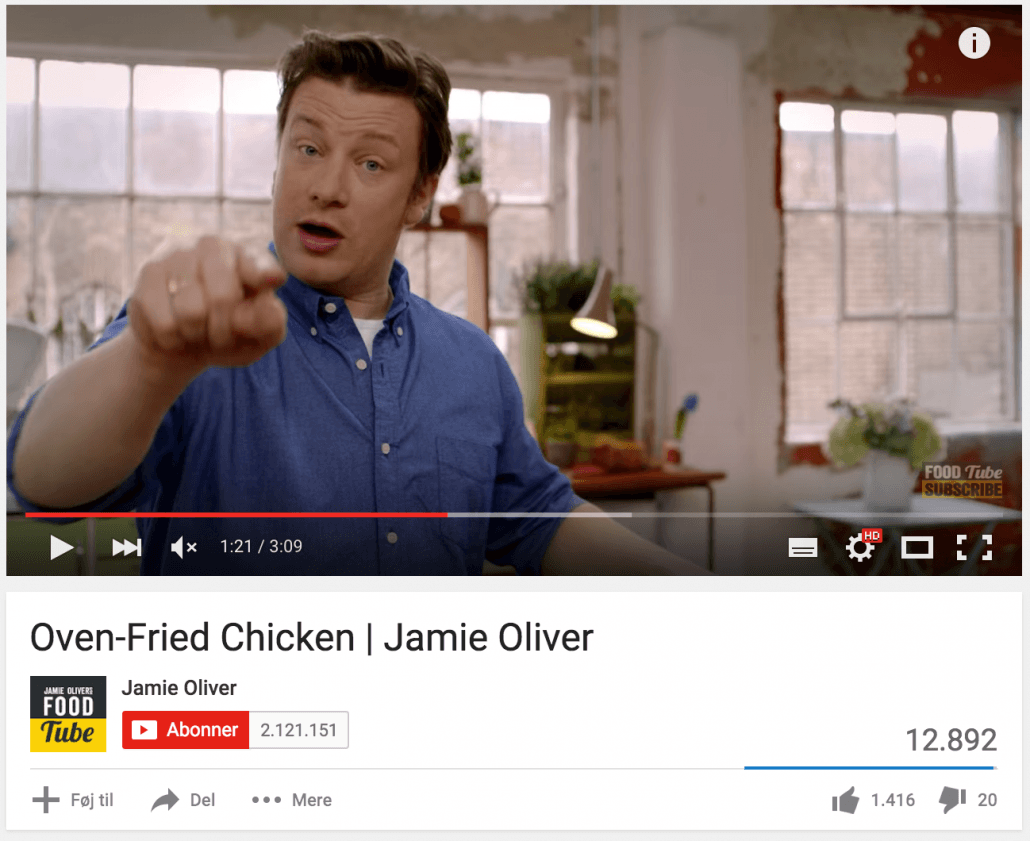
Leveraging the large following
Google analytics
When you work with that many people, you get a lot of data. You can dive deep, but even the most basic insights can be extremely useful. Through justinbiebermusic.com, for instance, Justin’s team would get massive data access.
A few possible examples:
- Most popular country: Next tour?
- Most popular city: Next concert?
- Age groups?
- What devices do they use?
- What content do they like the most?
The list is endless!
All this data can also be used to create awesome competitions that strengthen brand value and promote a new product, song, or something else entirely.
App competition (potentially with co-labs)
Another important point: emails. As more and more companies and celebrities flood social media, space is getting tight. That’s not the case in email inboxes – especially not when the sender is “Justin Bieber”.
Justin Bieber example
Imagine Justin Bieber launched a contest where all his fans worldwide could upload their best fan photo.
This could be from a concert, bedroom posters, coolest Bieber outfit – anything. Then fans could vote on each other’s pictures, and the winner would get tickets and hotel for his next concert (which he could film on Snapchat – live).
Example template from Woobox
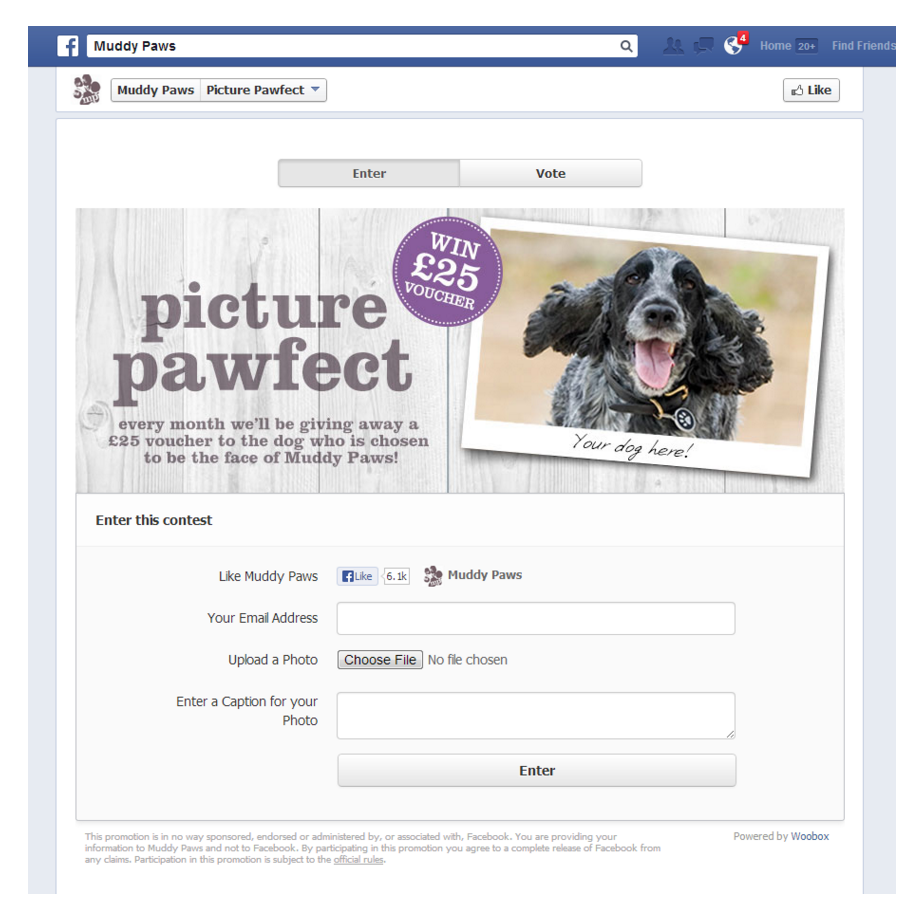
Let’s assume Justin could convert just 10% of his followers – he’d quickly have over 500,000 emails worldwide.
If he then sold merchandise – without lifting a finger – with just a little digital knowledge, you could easily build a million-dollar business using this strategy and his massive following.
Co-labs: Justin and other celebrities also have many sponsors. He could do a similar contest, for example, in collaboration with Armani and get the entire competition sponsored (including promotion).
If I were a racecar driver for Audi, I could offer VIP tickets to an Audi event via my page. If Audi promoted it in their network, I’d collect tons of emails to use for promoting my sponsors. The bigger I grew on social media, the bigger the sponsors – and it only goes up from there.
Poor content
A trend that saddens me a bit regarding celebrities on social media is spam sites.
Unfortunately, some of the world’s biggest celebrities have discovered how easy it is to make ad revenue from websites built just to generate traffic.
Examples:
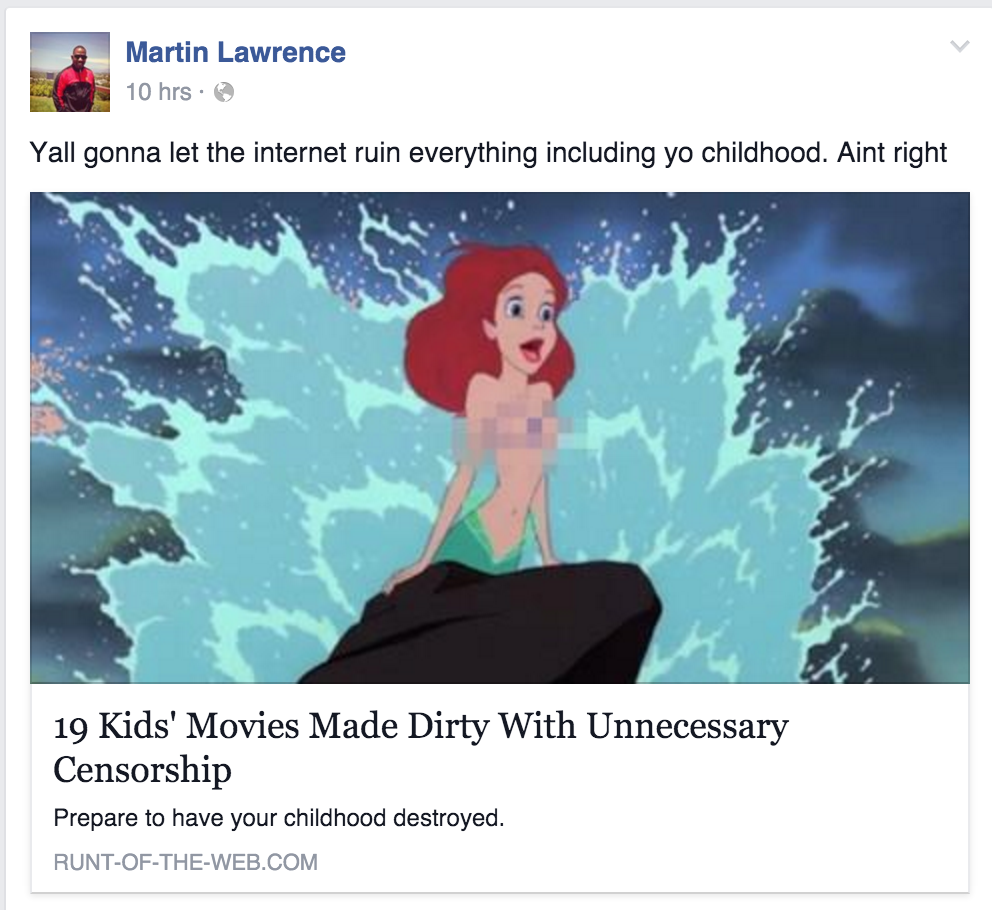
- Birdman: Runs http://www.newscrawl.com/ – and shares extremely poor content.
- Floyd Mayweather: http://www.mayweatherofficial.com/ – same style as Birdman.
- Ashton Kutcher: http://aplus.com/ – same clickbait-style content.
The list goes on, and it’s not about building a brand – it’s about building a media outlet to cash in on ad revenue.
Most of these articles bring no value to users, but people still click because of their connection to their favorite celebrity.
I sincerely hope that Facebook and Google will crack down on this so we don’t have to see it in the future.
Subscription-based models
Det største problem de kendte har, er at alt indhold afhænger af dem. Jeg ville tænke på hvordan jeg kunne fjerne mig selv fra ligningen og skabe en uafhængig indkomst.
Read more: How to create a membership site
Let’s create a few hypothetical examples…
Goodie bag by Medina
Medina could launch a goodie bag packed with curated items for her fans. She selects makeup, fitness items, magazines, and fills a “box by Medina” each month costing 100 DKK. Let’s assume just 1,000 people subscribe – that’s 100,000 DKK in revenue. Given Medina’s strong brand, she could potentially get all items sponsored and pocket most of that as profit. And 1,000 subscribers is a low estimate.
Jamie Oliver pro-kitchen
A concept where people pay 50 DKK a month for exclusive cooking videos – live or recorded kitchen courses, where they can also ask questions. If just 100,000 out of his millions of fans subscribed, that’s approx. 5,000,000 DKK monthly revenue. You could even expand the model to include a monthly food box with recipes and spices from his brand for an extra 50 DKK.
Pain & Pleasure principle
I previously wrote a post on emotional marketing – I would use the same approach for promoting a celebrity. The idea comes from Tony Robbins.
My philosophy
(from a presentation I gave last November)
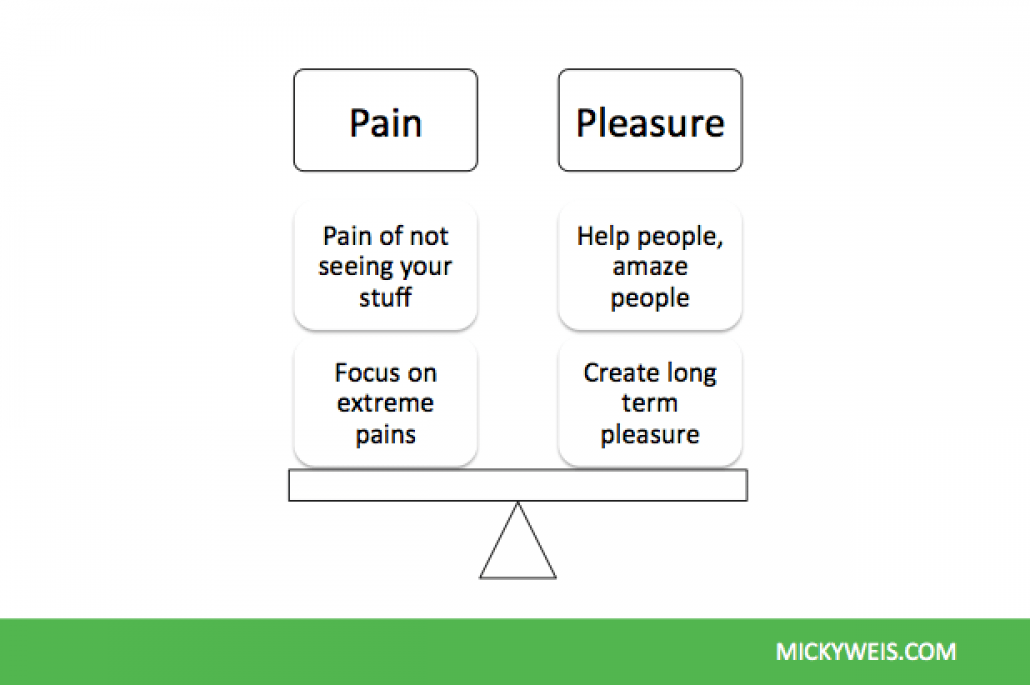
Pain
You must create something that causes pain if people don’t follow it. Think of your favorite TV shows – missing an episode can annoy you. Same with your favorite sports team – missing practice or a match is frustrating.
Create content the same way! …
When making content as a celebrity – or a business – think about making it so great that people can’t bear to miss it. The opposite of the poor content we talked about earlier.
Pleasure
Why do we follow Oprah Winfrey? Because she makes us feel like she can remove our pain. She helps us, inspires us, and creates lasting positive feelings.
In other words, she removes our current pain and replaces it with long-term joy.
Often, celebrities and businesses are capable of the same thing.
Konklusion
As always, there are tons of opinions on what celebrities should do.
I have no doubt they’re incredibly busy already. But I also know from my experience at Tattoodo – where we surpassed 5,000,000 Facebook fans via collaborations with Ami James and Daniel Agger – that the opportunities are massive when used right.
Do you have other great examples? Do you think I missed any key points?




Comments