




Is online marketing only for B2C companies?
I often find that most B2B companies still believe that online marketing is primarily designed for B2C companies.
But is that really true? That’s what I want to shed some light on in this post.
(B2C means business to consumer, and B2B means business to business.)
It starts with your website
Most B2B websites are still very outdated (pardon my blunt tone), they’re from a time when business relationships were built through business cards, long conversations, and even physical letters.
Are we being honest with ourselves in thinking that this still applies to the B2B companies of the future?
The next generation, growing up in a fully digital world, doesn’t distinguish between B2B and B2C in the same way older generations might. That’s something we need to consider. Both types of companies now operate on the same platforms, and the lines are blurring.
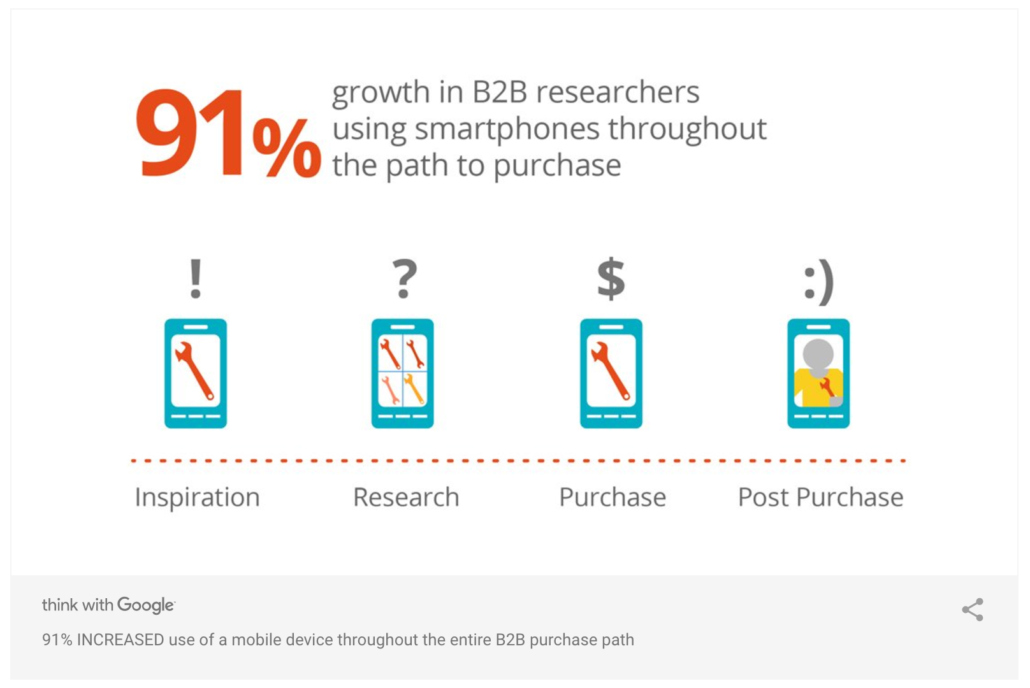
People now discover products in many of the same places, whether they’re buying for themselves or for their business.
We all search on Google
Almost every purchase starts on Google, in both B2B and B2C contexts. For example, a common international search is “business supplier of product x.”
In Denmark, around 50% of all purchase journeys begin with a Google search. It’s safe to say this trend is moving into the B2B market as well, where inspiration used to come from trade magazines or personal phone calls.
Hand a five-year-old an iPad today and ask whether they’ll find inspiration on Facebook and Google or in a printed trade magazine. You already know the answer: they’ll find it via search engines and social media.
That’s why Google, and understanding search engine optimization, is essential.
Keyword analysis
Yes, it’s an analysis of words. A keyword analysis helps you identify which terms you want to be found for on Google.
It’s important to assess the potential within your niche. If 10,000 searches are being made per month across a set of keywords in your industry, the potential to sell services or products is significant, especially if your offerings are high-value.
Start with your own products
Start small. Export all your category and product pages into Google Sheets. Then do the same for two or three of your biggest competitors. Perform manual Google searches using a private browser, and note where your company ranks compared to your competitors.
In the same spreadsheet, create a column titled “search volume” and fill it in using data from Google Keyword Planner.
Use Keyword Planner
With Google Keyword Planner (part of Google Ads), you can upload your spreadsheet or manually enter keywords. It then shows the monthly search volume for each term. This gives you an idea of the real potential in your niche.
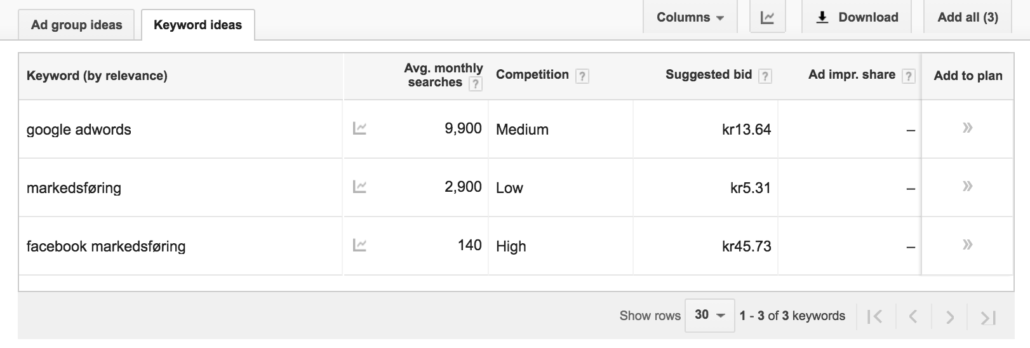
Armed with this data, it becomes clear that appearing at the top of Google’s search results is also relevant for B2B.
You can use tools like Accuranker or Rankscanner, or simply track rankings manually every month. By comparing these with your Google Analytics traffic, you should start seeing a positive trend and that’s your strategy in motion.
Search engine optimization
Once you’ve done your keyword analysis, you’ll have a good sense of the most valuable search terms in your field. That knowledge is used to optimize your website and help it rank in Google’s organic results.
Read the ultimate guide to search engine optimization
SEO (Search Engine Optimization) refers to unpaid results in Google’s search engine.
Years ago, those results were easy to manipulate, not anymore. Today, instead of optimizing purely for Google, you should focus on creating a great experience for your users. The rankings will follow.
A good SEO strategy typically involves three areas: technical, internal, and external.
The technical part covers everything related to your platform, such as speed, mobile responsiveness, menu structure, and internal linking. Think of it as the foundation of a house, get this part right, and the rest becomes easier.
The internal part is about everything visible on your website. How complete are your product descriptions? Do they answer all the questions your customers have? In competitive industries, invest more in your content to differentiate your website and offer a better user experience, that’s how you get visitors to return.
The external part is about what happens outside your website. How many people mention or link to your site? How often is your content shared? To succeed here, your content needs to be good and worth talking about. Otherwise, it’s difficult to earn links and shares.
Content marketing
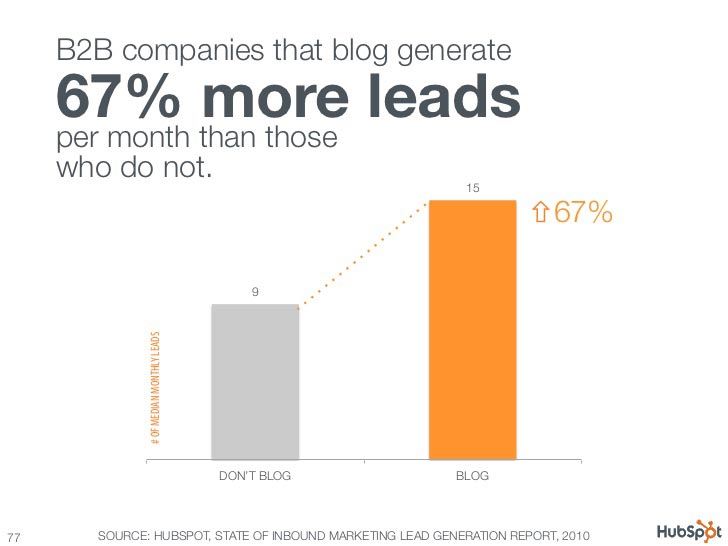
Content marketing refers to creating content that itself acts as marketing, content users return to repeatedly. For B2B companies, this is extremely valuable because it allows you to inform, educate, and show your expertise.
You have knowledge – give it away for free and sell more.
The keyword analysis earlier gave us a list of what people search for when they want information or products in your space.
Think about how much expertise you hold. If you shared it freely, how many more people would trust you? Probably quite a few.
In the US, inbound marketing and “return-worthy” content is a big priority, as it provides tremendous value.
In Denmark, inbound marketing is still a challenge, since many companies focus on traditional channels like trade magazines, TV, radio, or cold calling.
My trick: Use internal site searches to find blog ideas.
Easy win: Google Adwords
Google Ads is often an easy and effective tool for B2B companies. Competition isn’t as high, so click prices are lower, unless you overlap with consumer markets, where prices are much higher.
Unlike SEO, Google Ads is paid and can be switched on and off, making it a flexible testing tool.
It also helps you identify which keywords perform well, before investing in long-term SEO. Even though SEO traffic is free, it still requires effort and content. Google Ads can even help you test whether your landing pages convert.
Get the most out of Adwords – Read more
Platforms your audience uses
Let’s put a myth to rest: social media isn’t just for B2C. Plenty of businesses use social platforms to discover new products, including B2B products like yours.
As search behavior shifts, fewer people find inspiration in trade magazines. Today, it mostly happens via social media.
Let’s explore the most relevant platforms for B2B marketing.
LinkedIn remains the best social platform for cost per lead in B2B, mainly because it’s a professional network, and the people using it often seek real solutions to business challenges.
Get your LinkedIn page in order
LinkedIn has grown in Denmark, especially after being acquired by Microsoft. Their ad platform is also improving.
- Create a professional page with your logo, cover image, and company story. Check out examples like Lego or Mærsk.
- Keep the page updated to show you’re an active company.
- Encourage employees to link to your company on their profiles. It builds corporate identity and shows off your team’s expertise.
Test LinkedIn ads
LinkedIn advertising is growing and evolving. The best way to get started is simply to test.
You can use LinkedIn to attract talent and show your company values and milestones. This builds presence and as we’ll explore later, relationships drive B2B sales.
LinkedIn targeting options
- Upload your email database and target those users.
- Target people by job title (e.g. “procurement manager”).
- Use “audience expansion” to find new prospects similar to existing customers.
Facebook advertising
Should B2B companies use Facebook ads? Yes, absolutely.
Your employees use Facebook, and so do your clients.
Read the full guide to Facebook advertising
Optimize your Facebook page
To look professional, set up a proper company page not a private profile or group.
It’s easy to create and quick to launch. Once it’s live, you can advertise to targeted audiences.
- Add a clear profile picture and cover image or video.
- Fill out all company information.
- Set up an ad account and start testing.
Target groups to test for B2B:
- Website visitors
- Email subscribers (for upselling or staying top-of-mind)
- Facebook fans (share milestones, anniversaries, holiday greetings)
B2B is all about relationships, and these can be built online too.
Everyone uses email
There are many reasons to build an effective email flow. I’ve worked with companies like Sanovo Technology Group, where a structured email strategy led to strong results especially because they already had a strong digital foundation.
The key for B2B is to segment your customer base and tailor your messages accordingly.
What should your emails contain?
That depends on the relationship you want with your audience. The more open and informative you are, the more credibility you build, especially if you can educate and engage your readers.
Many tools are available, and prices vary. I often recommend MailChimp, which offers free plans for up to 2,000 subscribers and includes automation features. Paid upgrades are affordable too.
Data is everything!
If you’ve followed my blog, you’ll know I’m data-driven, and not just because it sounds cool. Analyzing data is essential to online success. Without knowing your metrics, you can’t repeat what works, and therefore, you don’t have a repeatable process for success.
Read the full post on data analysis and big data
When you understand your key levers, it’s easier to see whether things are going well or poorly.
Example: B2B dashboard
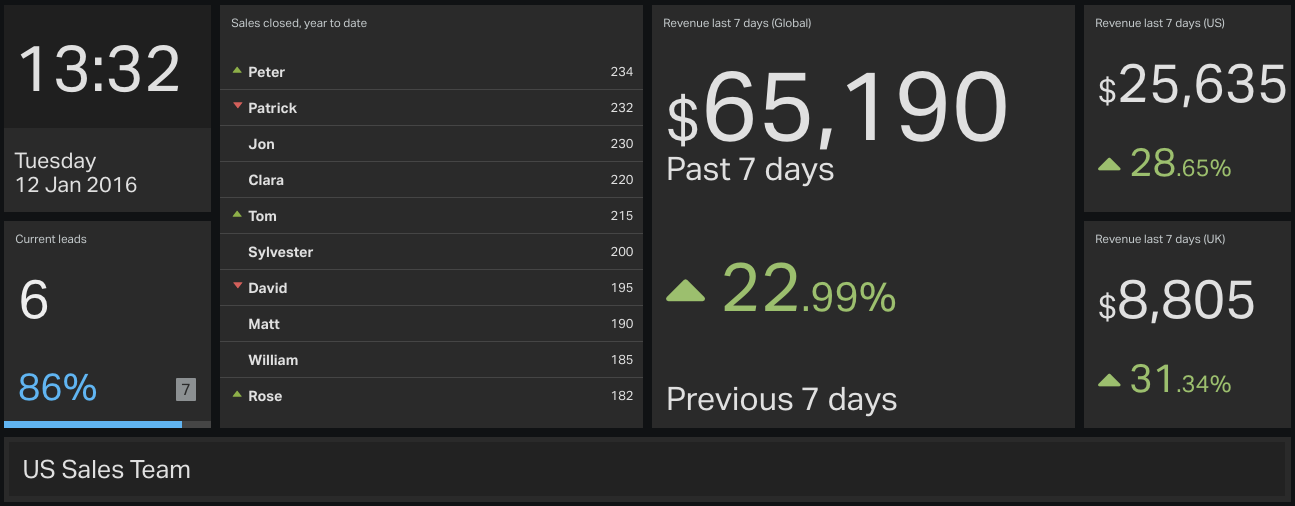
Many companies I’ve seen lack proper tracking and end up losing revenue. Then they try everything at once, like paddling in every direction in a lifeboat without getting anywhere.
The funnel is different
Of course, the sales funnel is different for B2B – especially when your product is expensive or rarely purchased.
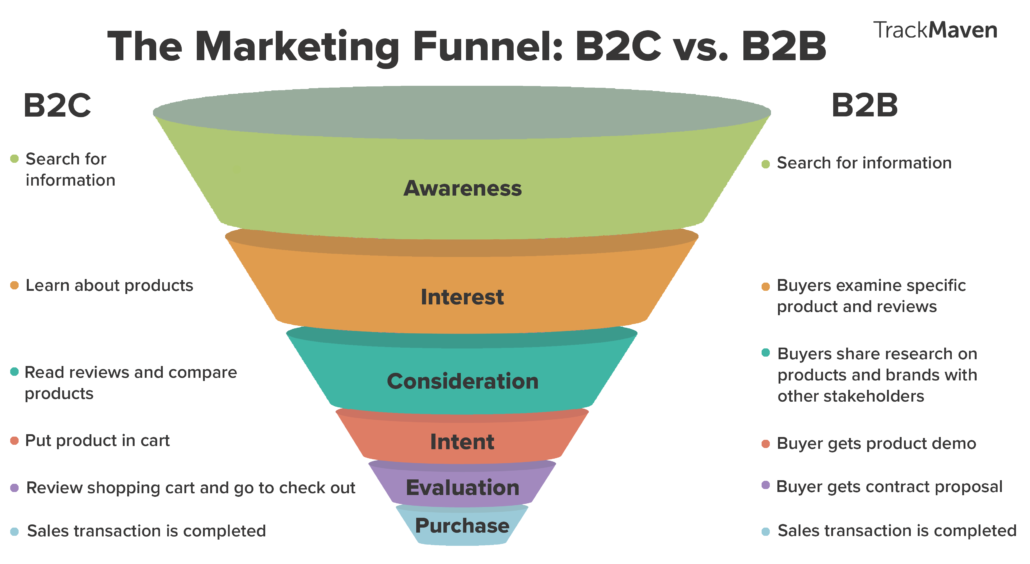
Take a manufacturing company selling machines worth 5 million that are replaced every 10 years. You don’t get frequent repeat sales, but you do need strong relationships for upselling: repairs, maintenance, training, etc.
Micky is very competent within ecommerce, digital communication and in general online presence. He knows what is trending online as we speak but most important also what to expect in the future.
I have had the pleasure of working with Micky on different online tasks and I can highly recommend him as a digital business partner.
Vicky Engsted | Marketing Manager at Sanovo Technology Group

Sell values and relationships
In B2C, buyers care about price, delivery, and convenience. B2B, on the other hand, is about the relationship between buyer and seller.
In interviews with B2B companies, I often hear about partnerships built over decades based on mutual respect and a shared desire for good business. These relationships evolve into professional friendships.
The key now is to build those same relationships digitally without losing the personal touch.
Is your B2B company ready for change?

Comments