




Before we dive into the really interesting Instagram ads, let’s quickly cover Lead Generation ads, which can be extremely powerful if executed correctly.
Facebook & Instagram Lead Ads are essentially Facebook’s way of helping businesses achieve better conversion rates when generating leads. Traditionally, businesses create landing pages on their websites, directing users away from Facebook.
Facebook wants to avoid this—and with good reason. These landing pages often convert poorly, especially on mobile devices. To counter this, Facebook introduced a feature allowing Lead Generation directly within the mobile newsfeed.
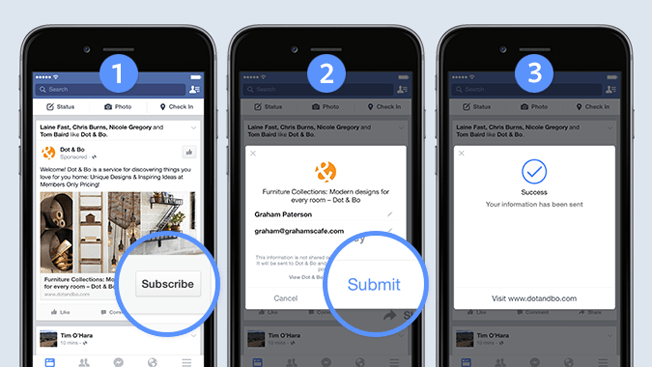
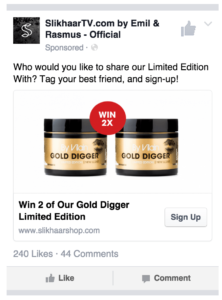
This is what they look like
Here’s a quick crash course on how to set them up.
Campaign setup
As always, when creating Facebook ads, start by logging into your Power Editor.
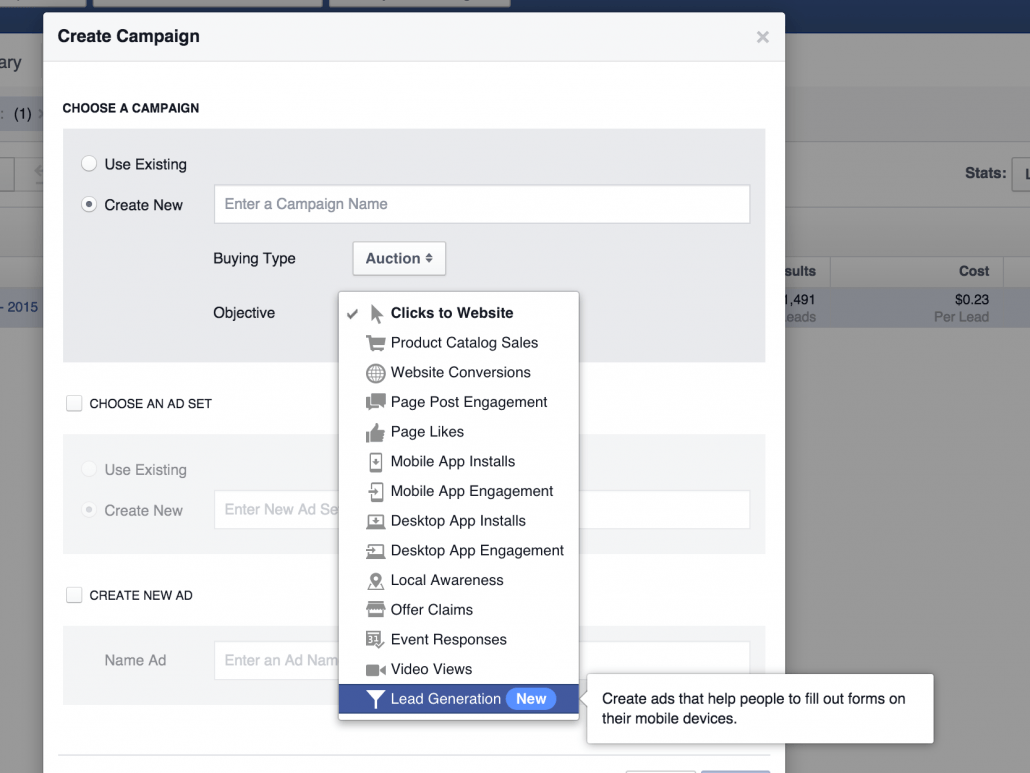
Next, create a new campaign.
Then choose “Lead Generation” as the campaign objective. Keep in mind that this feature is being rolled out gradually, so you might not have access to it just yet.
Audience setup
Once your campaign is created, it’s time to define your target audience. This is where many go wrong—it can be tempting to create a very broad audience, but that often leads to lower conversion rates.
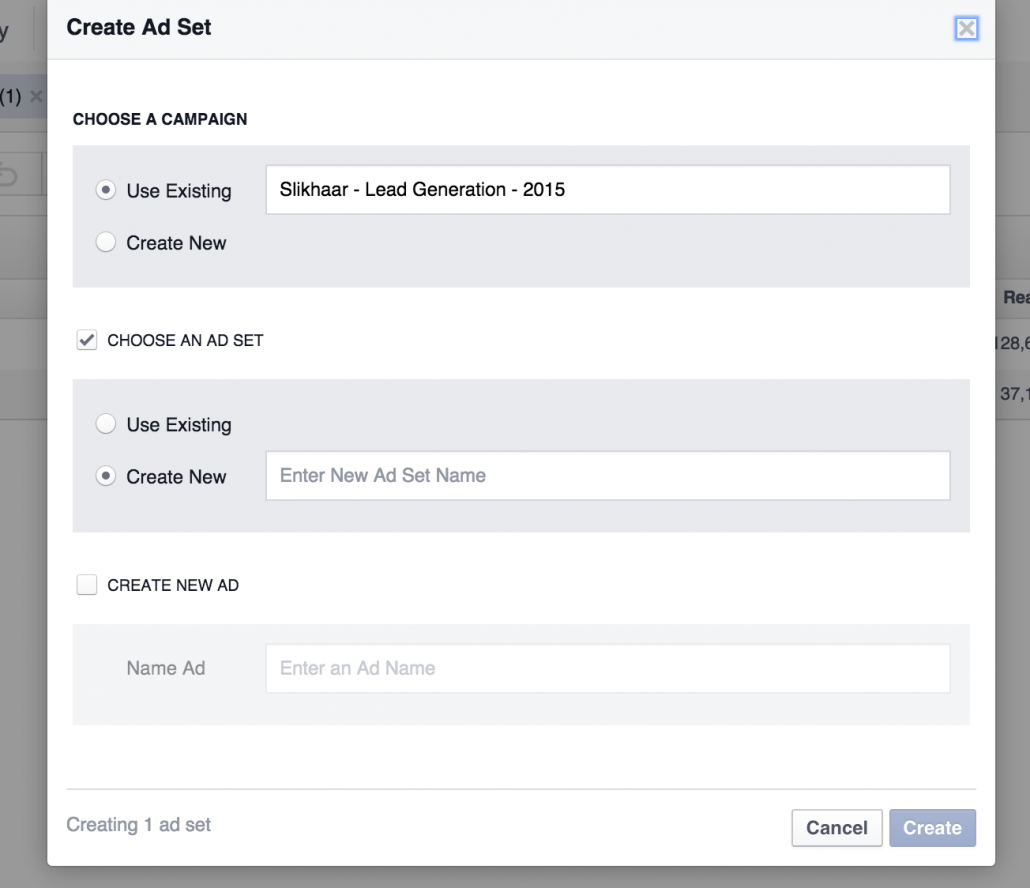
Start by creating your ad set, which defines your audience.
Instead of going broad, try creating a few, very specific and well-defined audience segments.
Examples:
- Visitors > People who have visited your website
- Fans > Fans of your brand’s Facebook page
In both cases, exclude your existing email list to avoid targeting people already in your database.
Note: To use email lists or website visitor traffic for targeting, you’ll need Facebook’s website custom audience (tracking pixel).
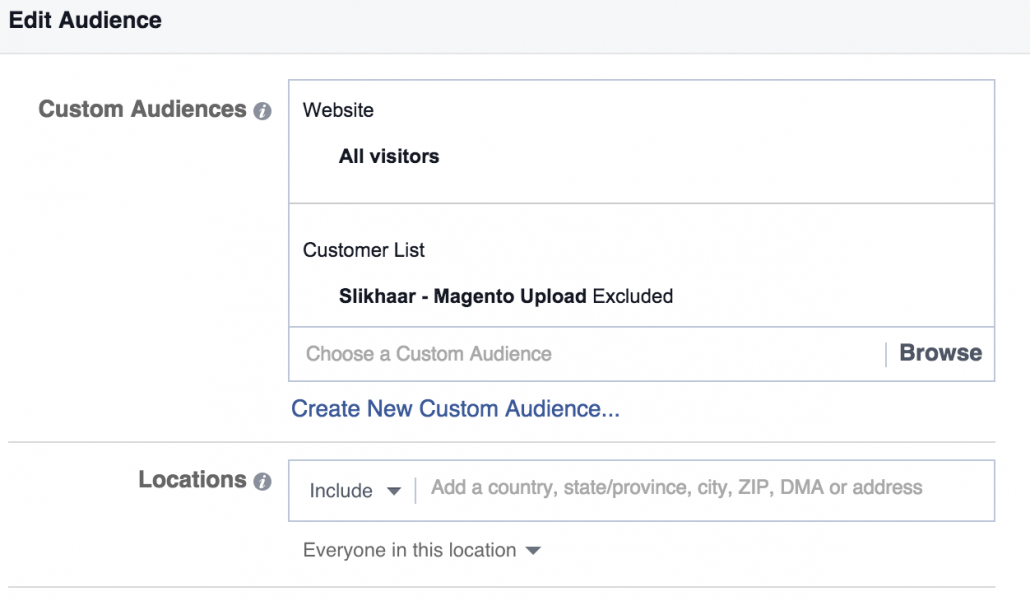
It’s relatively simple to create a good audience, and you’ll often see far better results using your own data rather than casting a wide net.
Ad setup
Next comes the creative part—the ad itself.
When setting up Lead Generation ads, you’ll first be prompted to create a new fill-out form. Click on “Create new form” and follow the step-by-step guide. It takes only 1–2 minutes.
You can make your forms as detailed as you want, including fields like name, email, country, city; you decide.
However, I recommend using as few fields as possible, as this usually gives the best results. For example, at Slikhaar, we use name, email, and country to match our internal mailing lists.
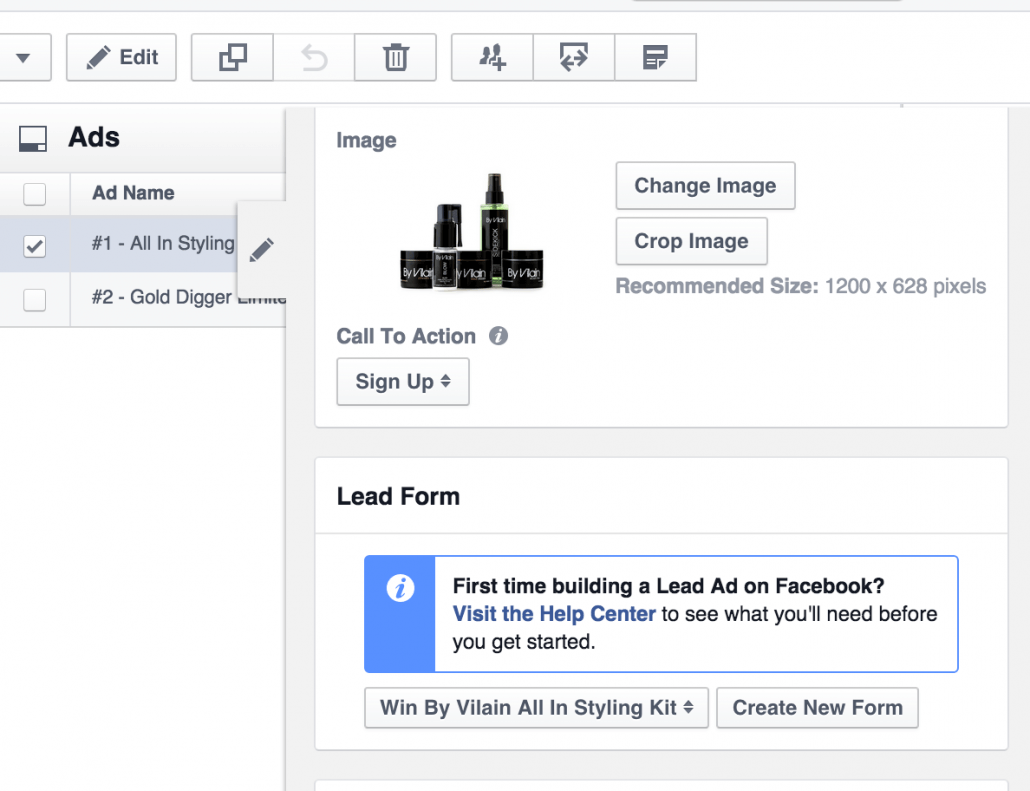
Once your form is ready, it’s time to create the actual ad. Keep in mind that users see a lot of content in their newsfeed, so your ad needs to stand out.
So far, contests have worked best for us. But ebooks, whitepapers, discount codes, etc., can also be effective.
Here’s an example of two of our ads
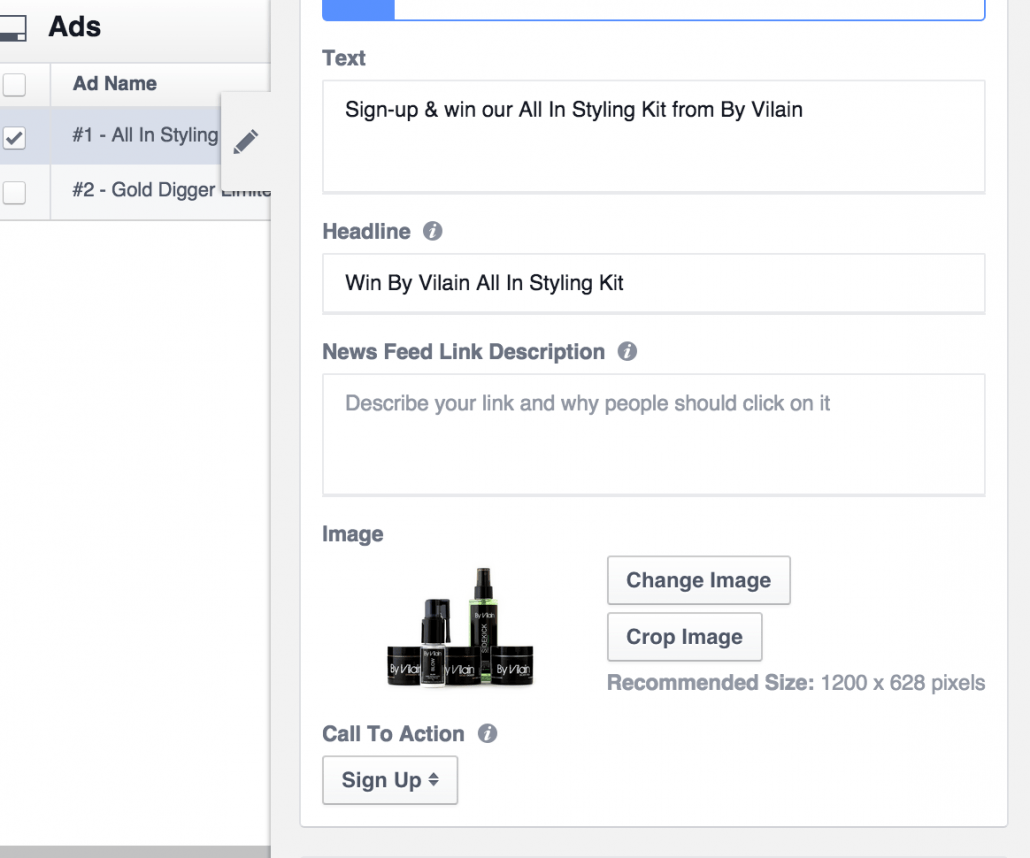
Sådan her ser mine 2 annoncer ud

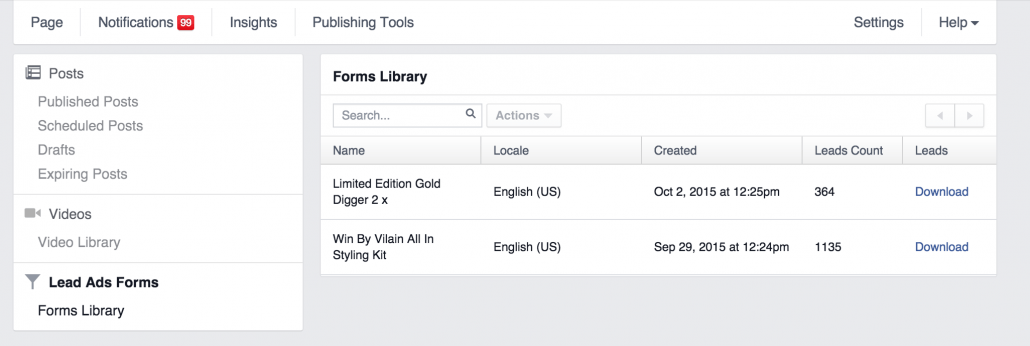
Download your emails
The final step is retrieving the data you’ve collected.
It’s very simple. Go to your Facebook page.
Click “Settings,” then choose “Publishing Tools.” On the left-hand side, select “Forms Library.” From there, you’ll see a list of forms and can download the leads individually.
And that’s it! A short guide, but hopefully one packed with useful insights. Many of you will likely benefit from this newer type of Facebook advertising.
How do you pay per lead collected?
With Facebook Lead Ads, you typically pay per lead every time a user fills out and submits your form.
It’s an effective way to build a list of potential customers.
Facebook also allows payment per click or per impression, but paying per lead is the most common—and often delivers the best ROI, since it’s aligned with the campaign objective.


Comments